Top Social

A Mountain Mama's Epicure

All Things Fitness, Wellness, Crafting & Parenting

Featured Posts Slider

Showing posts with label Gardening. Show all posts

How Medicinal Plants Can Fuel Your Spiritual Evolution


We’re used to thinking of plants as “things” rather than living, sentient beings that are connected in profound ways to the health of our bodies, minds and souls.
But what if plants — with all their health-giving effects and amazing diversity of expression — hold the key not just to our health but to our spiritual evolution?
This idea is not as new as you might think, as it’s been part of ancient systems of natural medicine from Ayurveda to Chinese medicine. Plants affect our life force and connect us physically with the raw energy of the sun.
The fascinating and powerful relationship between plants and spiritual evolution is the passion of Floracopeia founder David Crow, who is brilliant on this subject.
I am excited to invite you to a FREE virtual event with David called, How Medicinal Plants Can Fuel Your Spiritual Evolution: Essential Insights that Unify Natural Medicine, Ecology & Spirituality.
If you’ve ever marveled at the peaceful beauty of a garden or been grateful for a herb that brought you healing or wondered how to harness the power of essential oils, you’ll be excited by David’s insights into the plant-human connection.  
During this virtual event, you’ll:
  • Learn about body-based awareness exercises that will allow you to perceive plant intelligence more deeply.
  • Relate to medicinal plants in a more meditative way to connect with their essence.
  • Discover breath practices to open a stronger energetic relationship with plants.
For more than 30 years, David Crow has pioneered a path that is about harnessing the power of plants to infuse more intelligence in your body, mind and soul — giving you a more organic wisdom and sustainable connection with life.
He unifies wisdom from many streams of healing practices into a coherent understanding that will show you how to relate more deeply with medicinal plants for rejuvenation, awakening and health.
And as I mentioned, the great news is that this virtual event is free! Register here.

PS – In How Medicinal Plants Can Fuel Your Spiritual Evolution: Essential Insights that Unify Natural Medicine, Ecology & Spirituality, David Crow will help you understand plants in a more multi-dimensional way, so you can harmonize your bodily systems, heal old traumas and experience a more dynamic relationship with life force within and around you.
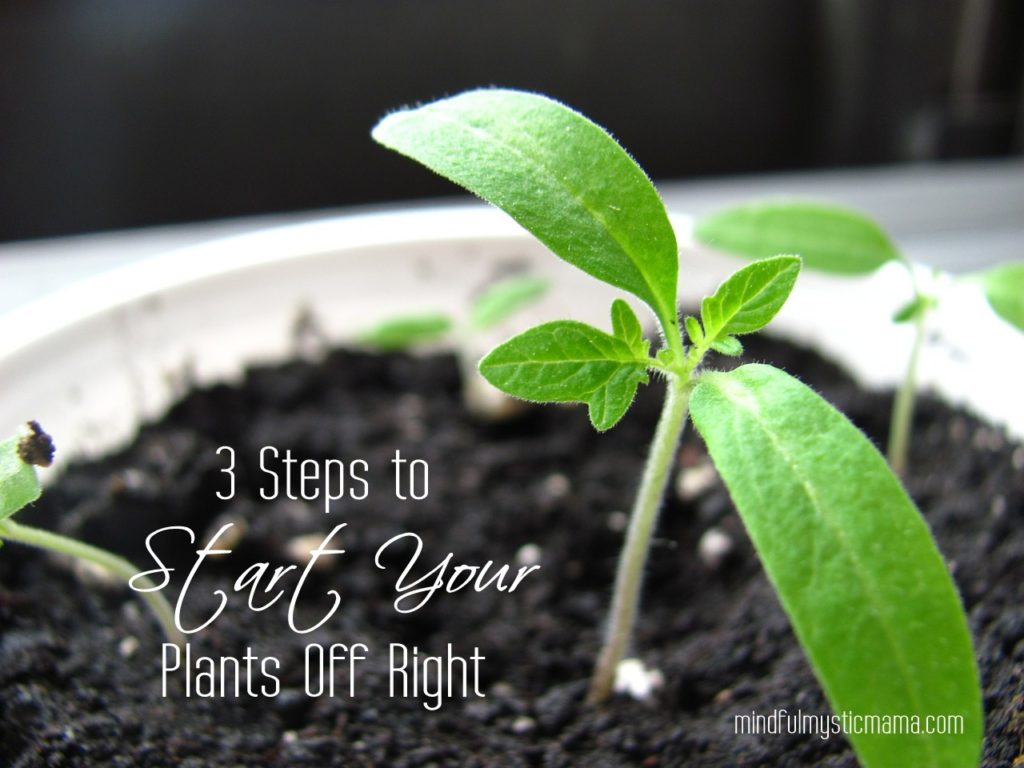
3 Steps to Start Your Plants Off Right

seed starting
How you handle your seeds and your practices around seeding is your first chance to get your plants off to a good start and help them achieve their full potential. Ben and Penny Hewitt, authors of The Nourishing Homestead, have developed a three-step process which starts with inoculating the seeds, then sowing them in high quality potting soil, and finally using soil blocks instead of pots to start seedlings.

Why Container Gardening Is The Best Way to Grow Plants


Container gardening has so many benefits, it’s hard to believe more people aren’t doing it.  Although it has become more popular over the past couple of decades, it still isn’t as popular as many other methods.

One of the biggest benefits of growing your plants in containers is the fact that it makes gardening accessible to almost anyone.  Handicapped individuals find growing their plants in containers makes it easier to locate plants where they can easily reach them. 

Many people in wheelchairs like to place their pots on a low table to make them more accessible.  Elderly people who can’t work traditional gardens may find container gardening to be an excellent way to once again enjoy their favorite hobby. 

Even children find container gardening to be much easier than traditional gardening, because they don’t have to weed and rake and hoe, and they don’t have to have an adult till soil for them.
Another major benefit of container gardening is the ability to move plants if you need to. 

If you’re growing your plants outdoors and bad weather comes, you can bring your plants inside where they’ll be safe.  If you plan your garden poorly and your plants are getting too little sun or too much, you can easily move their containers to a better location.  And you can even move your plants on a whim if you decide they’d look better elsewhere.

Plants grown in containers don’t have the same issues with diseases that traditionally-grown plants have.  Although some container-grown plants do get diseases, it is far less likely than it would be if those plants were grown directly in the soil.  Potting soil is generally free of disease-causing organisms, so your plants will be safer.

Keeping your plants well-fed is also easier when they’re grown in containers.  It’s much easier to ensure the fertilizer you use gets to your plants if they’re confined to a small area of soil.  When you fertilize plants that are growing directly in the soil, the fertilizer may drain away or be absorbed by other nearby plants.  This is not as likely when plants are grown in containers.

Of course, when the soil area is relatively small, there is a chance the fertilizer can be washed out of the soil faster.  Because of this, you do often need to fertilize more often than you would a traditional garden. 

But you can rest assured that your plants are probably getting more of the fertilizer before it does wash away than they would probably get if they were in the ground. When you grow your plants in containers, you’ll also be able to extend their growing season. 

By carefully insulating pots by wrapping them in blankets or other insulating materials, you can keep their soil warmer than the ground soil.  You can start your plants early indoors or in a cold frame, then you can easily move them to larger pots outdoors when the time is right. 

You can also use careful insulation to continue to grow plants after the first frost, and you can even bring plants indoors once it becomes too cold to keep them outside even when insulated. Saving space is another great benefit of container gardening. 

Many people live in apartments or in homes with very little yard space.  Container gardening allows you to have a garden on a porch or patio, or even indoors.  Many people have small container gardens in a sunny windowsill in their kitchen, or in a sunroom or spare bedroom. 

Some people even grow plants in a closet by using a grow light!  Growing plants in pots really makes it easy to have a garden when you don’t have the space for a traditional one!


Creating a Butterfly Garden


We’re going to look at the basics of creating a garden that is perfect for butterflies.  You need to plan a garden with the purpose of attracting butterflies, keeping them in your garden, and making the environment friendly for them to breed.

The first thing you need to do is choose several plants that produce nectar for the butterflies and will hopefully provide continuous blooms through the summer.  

The most important time to have blooms is mid to late summer.  This is when most butterflies are most active.  Flowers that produce multiple blooms on a single plant and contain a lot of nectar are best.

You probably want to choose a variety of annuals for your garden, because annuals bloom all though the season.  This provides butterflies with a continuous supply of nectar, and will keep the butterflies coming to your yard all season.

Some perennials are very good for attracting butterflies.  Lilac and asters are favorites for butterfly gardens.  Coneflowers are a lovely wildflower that butterflies adore.  Herbs such as parley, dill, and mint provide good nectar for butterflies.

You can make homemade butterfly feeders from small jars, such as baby food jars.  You just drill a hole in the middle of the lid and stuff it with cotton.  Then you fill the jar with a mixture of 1:9 sugar and water. (1 part sugar and 9 parts water.) 

Then you can decorate the jar with brightly colored bits of felt to attract the butterflies to it.  Hang it somewhere in your garden and the butterflies will come suck the “nectar” out through the cotton in the lid.

In addition to providing plants that will feed the butterflies and their larva, you’ll need to be sure your yard is hospitable in other ways.  Butterflies need a bit of shelter for their eggs.  You’ll need to provide some sort of windbreak around your butterfly garden, so the butterflies can lay their eggs in an area where wind won’t harm them. 

They also need a mud puddle at which to congregate.  Butterflies like to gather at the edges of puddles, so you’ll need to provide at least one for them. You should also be sure not to use too many pesticides around your garden. 

These poisons can kill butterfly larva, and they can also harm the butterflies themselves.  It doesn’t take a lot of insecticide to kill these delicate creatures.  Insecticides can kill delicate caterpillars before they have a chance to grow into butterflies. 

They can also kill adult butterflies when they light onto the plants to rest, or when they consume nectar that has been tainted with poison. Before you spray any of your plants, be sure the creatures you’re trying to kill are actually damaging pests. 

Some butterfly larva can look remarkably similar to common garden pests, and although butterfly larvae do feed on plants, they don’t typically eat enough to do any real damage.  So be sure your identification is correct before you spray.

Most flowers that are brightly-colored and sweet-smelling should attract butterflies to your garden.  You should plant a wide variety of flowers, mostly annuals, if you want to attract the most different types of butterflies.  Since different species are attracted to different types of flowers, having a good variety will ensure that you get the most different types of butterflies visiting your garden.


Planning Your Container Garden


The first thing you need to decide when planning a container garden is whether you’d prefer to grow your plants indoors or outdoors.  A lot of people think container gardening is only for indoor growing and patios, but containers can actually be useful for any garden situation.

Containers are great for growing almost any type of plant, because they offer great versatility.  If you plant your garden in containers and you need to move it later, it’s easy to do it.  Not so if you have a traditional garden! 

If you’re expecting very bad weather, you can temporarily move containers to a safer location, like indoors or into a garage or basement.  But there isn’t much you can do for a traditional garden. 

If you find your plants aren’t doing well because the space you chose is too sunny or too shady, there isn’t much you can do with a traditional garden, but you can easily move potted plants to a better location.

If you choose to have your container garden outdoors, you need to be sure to choose a good location for it.  You’ll want to choose a place that has the proper amount of sun for the plants you wish to grow, but it also needs to be a place that’s very accessible.  It’s easy to lose motivation to work on your garden if it’s several hundred yards away from the house!

Be sure to locate your plants as far away from streets as you can.  Pollution from cars, as well as the dust they kick up, can damage your plants and contaminate them.  You don’t want to be eating all of that pollution, so locate plants as far away from those roads as possible.

If you have your plants indoors, you’ll need to be sure to select a very good spot.  Most plants need to be fairly warm, so you’ll need to choose the warmest spot in your house if you use air conditioning. 

Many plants won’t do well in very chilly homes, so you might need to choose a room for your plants and keep the vent closed in that room so it stays warmer there. If you can, choose a sunny room with a lot of natural sunlight.

Plants thrive best with natural light.  If you don’t have a room with a lot of sunlight, you’ll have to use special plant lights for your plants.  You can’t use just any fluorescent lights, because plants won’t thrive. 

You need to use lights that are specially designed for growing plants.  They contain a broad spectrum of light, which is closer to natural light than standard bulbs. You may also have to adjust the humidity in the room with your plants. 

Some plants thrive better in higher humidity, and others do well in lower humidity.  You may need to invest in special equipment to adjust the humidity if you’re raising very delicate or picky plants.  You probably won’t have to do this unless you’re growing exotic varieties.

Next, you’ll need to choose which plants you want to grow.  Be careful!  Too many people choose to plant far too many varieties, and end up frustrated.  Don’t grow anything you can easily pick up cheaply at the grocery store! 

Stick to growing fruits and vegetables that you really enjoy and have a hard time locating locally, or those you find too expensive or too low quality.  Tomatoes are a favorite for home gardeners, because their quality in stores if often very poor.

Finally, decide whether or not you want to grow your plants organically.  If you’re growing indoors, this will probably be very simple to do.  But if you’re growing your plants outside, you may find the frustration of dealing with pests is just too much for you.  Don’t feel guilty if you find organic gardening too difficult.  You can always try it after you have more experience.


Common North American Butterflies


North America has a wide variety of butterfly species.  There are several hundred known species of butterfly that live in North America.  We’re going to take a look at a few of the most common North American butterflies.

The monarch butterfly is one of the most well-known butterfly species.  It’s common all around the United States and the southern part of Canada.  Monarch caterpillars eat exclusively milkweed plants. 

Because milkweed contains toxins, monarch larva and butterflies are not eaten by predators.  They live mostly in open, sunny places.  They especially love meadows that are full of weeds.  They live on various types of milkweed, including common milkweed, scarlet milkweed, and dogbane. 

Adult monarch butterflies feed off the nectar of beggarticks, coneflowers, black-eyed Susan, goldenrod, New England aster, and several types of thistle. The Eastern tiger swallowtail is certainly one of the most easily recognizable butterflies in the U.S. 

It is often found in forests and streams, but may also be found around flowering bushes in city gardens.  It loves flowers with a lot of nectar.  Males are yellow with black decoration, and females are either yellow or black. 

They generally breed on broadleaf trees like cottonwood, cherry, birch, poplar, and willow.  Their favorite nectar flowers are typically phlox and milkweed. The painted lady butterfly typically lays its eggs on thistle or asters. 

It is one of the most widespread butterfly species in the word, and can be found all over Africa, Europe, Asia, and North America.  They seem to be especially attracted to feeding on goldenrod.  They also tend to be attracted to butterfly bushes.

The red-spotted purple butterfly is a ground-dweller.  They fly low, and light on low-lying branches or on the ground.  They look similar to a poisonous butterfly known as the pipevine swallowtail. 

They breed on willows, poplars, cherry trees, apples, hawthorns, and aspens.  They feed on thistles, lilac, azaleas, phlox, petunias, lupines, butterfly bush, and bergamot, among others. The pipevine swallowtail is a beautiful butterfly with iridescent blue on the wings. 

They lay eggs on many different types of trees, similar to the red-spotted purple.  They also eat the same types of nectar. The cabbage white butterfly is certainly extremely common.  It’s a white butterfly with few markings, and is rather small in size.  It lays eggs on radishes, cabbage, broccoli, and nasturtiums.

Mourning cloak butterflies can survive throughout the winter in many parts of the world.  It’s native to North America and Eurasia.  Their wings are very dark red, with a yellowish border around the wings. 

They also have a dark band with brighter blue spots on the wings.  Their caterpillars are raised on willows, aspens, cottonwoods, elms, and paper birch trees.  They are especially common on willows and elms. 


Adult butterflies usually live on sap and rotting fruit, but may occasionally feed on flower nectar. If you’d like to attract certain species of butterfly, you’ll need to provide them with the food the adults need, as well as a good place to lay their eggs.

Locating an Outdoor Container Garden


Choosing a good location for your outdoor container garden is essential.  If you choose the wrong location, it could mean disaster for your plants.  The right location is one in which the plants get just the right amount of sun, are protected from harm from various outside influences, and is in a convenient spot for you to care for the garden.

The most important part of choosing a location for your container garden is choosing a place where the amount of sunlight is correct for your plants.  This may mean locating part of your garden in one area of your yard, and part of your garden in another area.

If you have several plants that require a lot of sun, and several that require shade, you’ll either have to split your garden into two sections, or you’ll have to provide shade to those plants that need it. 

This can be relatively simple for a container garden.  If you just have a few plants that require shade, you can set up some sort of shade system.  Using a tarp or other shade system, you can fashion a frame over your plants that blocks sun for most of the day, depending on how much shade the plants need.  This way, you can locate your shade-loving plants with your sun-loving plants.

Next, you need to be sure to keep your plants away from the street, if possible.  Pollution from vehicles on the road might damage your plants.  Cars can also kick up dust that could settle on your plants, and their tires can also potentially throw rocks and other debris that could damage plants or break pots.

You should also try to keep your container garden as close to your house as possible.  There are several reasons why you want to do this.  First of all, you need to be able to easily reach your garden to take care of it.  If you locate the garden too far from your house, you may be hesitant to tend to it. 

Also, the closer to your house your garden is located, the less likely it is that it will be harmed by critters.  Rabbits, deer, gophers, and other garden pests don’t like to get too close to human scent.  If you keep your garden closer to your home, the animals will be able to smell your scent more strongly and might be unwilling to approach your garden.

Another great reason for locating your garden near your home is in case you need to move your plants indoors.  Sometimes you might have unexpected bad weather or other problems, and you might find a need to bring your plants inside to protect them.  If the plants are closer to your house, they’ll be easier to bring in.

If you have had a garden in a particular location in the past few years, and it had heavy infestation from insects, you might consider putting your garden in another part of your yard.  Sometimes pests will return the following year to a previous location in search of the same food they had the year before.  If you relocate your garden, you have a small chance of keeping these insects from finding your garden this year.

If you’re growing very large plants like corn, choosing the right location from the start is extremely important.  These large plants may be too heavy or too awkward to move safely, so they must be located correctly from the beginning.  Careful planning can avoid any location disasters, so be careful to plan your garden thoroughly.


Butterfly Nectar Plants


If you’re going to start a butterfly garden, you’re going to need to choose some flowers and plants that will attract them.  To do that, you need to choose varieties that are common food sources for a variety of types of butterflies.

You’ll need a pretty wide variety of plants that bloom continuously all summer, and provide a lot of nectar.  Butterflies are most active during the mid-to-late summer, so you’ll need to have flowers that bloom during that time. 

Annuals tend to bloom all summer, so if you want continuous blooms you should be sure to include plenty of annuals in your garden.  Many perennials are also great at attracting butterflies, but they may not bloom all season.

Be sure to plant larger plants in the back and shorter ones in the front.  The taller plants will help block wind from disturbing butterflies and their eggs, and if they’re in the back, they won’t obstruct your view of the butterflies!

There are many shrubs and trees that you can use as windbreaks for your butterfly garden.  These shrubs and trees will also attract butterflies with their sweet, nectar-producing blooms.  You can try pear trees, plum trees, mock oranges, butterfly bush, hawthorn, blueberry, rose of Sharon, privet hedge, summersweet, redbud, buttonbush, autumn olive, abelia, and buddleia.

Annuals are especially important for butterfly gardens because of their ability to bloom for most of the summer season.  Marigolds, zinnias, cosmos, and sunflower are all classic annuals for attracting butterflies.  Other beautiful annuals for butterfly gardens include impatiens, nasturtium, Queen Anne’s lace, verbena, and globe amaranth.

Planting wildflowers can bring in a lot of butterflies.  The great thing about wildflowers is their ease of planting.  If you want, you can just sprinkle handfuls of wildflower seeds all around an area you wish to cover with them!  Sure, some of them will be eaten by birds and other animals, but many will survive and grow.

Good wildflowers for attracting butterflies include coneflowers, milkweed, spearmint, thistles, butterfly weed, ironweed, and New England asters.  There are also several wildflowers that are considered too weedy for most gardens, but they are really good at attracting butterflies.  These weed-like wildflowers include goldenrod, dogbane, and nettles.

Perennials don’t typically bloom for the entire mid-to-late summer season, but they’re still a very important part of any butterfly garden.  Some butterflies prefer specific flowers, and perennials are included in those types.  This is why it’s important to have a good mix of various varieties of flowers in your garden.


There are many perennial flowers that are superb for attracting butterflies and providing nectar for them. Aster, coneflower, Shasta daisy, lobelia, passion flower, hibiscus, bee-balm, daylily, goldenrod, chives, sage, mountain mint, false indigo, coreopsis, butterfly weed, black-eyed Susan, phlox, verbena, milkweed, and hollyhock are all super varieties of perennials for butterfly gardens.  These varieties are all prized for their ability to provide nectar for butterflies, and should be added to any butterfly garden.

Choosing Plants for Your Container Garden


Most people choose to grow edible plants in their container gardens, because they don’t think of flowers or houseplants as being the same thing as container gardening.  While it is the same basic principle, it’s not generally classified the same way. 

Most people just think the term container gardening refers to growing edible plants, so that’s what we’ll focus on here. You can grow many types of vegetables and herbs in containers, and a few types of fruit. 

Herbs are the most commonly grown edible plant for containers.  Vegetables come in second, and fruit isn’t grown in containers as often - probably because a lot of people think it would be too difficult to grow fruit in containers.

Strawberries are one fruit that grows particularly well in many types of containers.  Strawberries are generally quite hardy, and can even be grown in special grow bags that can be hung on a wall outdoors. 

Dwarf fruit trees can often be grown in large pots.  Many smaller dwarf citrus trees grow nicely in pots, and if kept well-pruned they can make beautiful indoor decorations.  Many types of dwarf berry bushes will grow in containers, although they are usually very heavy and can’t be moved easily.  Dwarf varieties of blueberries and raspberries have been successfully grown in containers.

Many varieties of herbs do well in containers.  Parsley is perhaps the most popular herb for container growing.  Basil and chives are also extremely popular for growing in containers.  Cilantro can be grown successfully in containers. 

In fact, almost all herbs can be grown successfully in containers.  The key is finding a large enough container.  Some herbs can easily be grown in relatively small containers.  Chives, parsley, and basil can all grow in smaller pots. 

But some plants grow a bit larger.  Sage, for example, is a bush.  It needs a pretty big pot.  Oregano also grows rather large, and needs a large container. Although technically a fruit, tomatoes are probably the most popular “vegetable” for home gardeners in general. 

Container gardeners are no exception, and they plant tomatoes in droves.  It’s probably due mostly to the fact that good tomatoes can be very difficult to find.  The tomatoes in most grocery stores are picked green and artificially ripened so they survive shipping without bruising and last longer on the shelves. 

Most tomato varieties can be grown very well in containers, especially cherry tomatoes, grape tomatoes, roma tomatoes, and small salad tomatoes. Other plants that are commonly grown in containers include lettuce and other salad greens, cucumbers, squashes, many types of beans and peas, radishes, carrots, scallions, all types of peppers, and even corn and potatoes. 

Most vegetables can be grown in containers if you use the proper procedure.  You can easily grow most of your plants from seeds.  If you’re growing plants indoors, you can sow directly into the pot if you like, but you can risk damaging delicate seedlings during thinning. 


You should probably grow most of your plants from seedlings that you purchase locally, but you can also start your own seedlings indoors in smaller pots, and then transplant them into larger pots later.  It’s easier to start plants from seedlings when you can, but you may find a lot of satisfaction in starting your own.

Butterfly Host Plants


Host plants are the plants that butterflies like to lay their eggs on.  These are the plants that caterpillars feed off of while they’re growing, and may also provide a place for the caterpillars to make their cocoons.

These plants may receive some damage, so be prepared for that.  It’s surprising how many people plant these things with the specific purpose of attracting butterflies to lay their eggs there, yet they’re shocked with the caterpillars start to eat the plants! 

Caterpillars are small and slow.  They can’t travel very far in search of food, so butterflies generally only lay their eggs on plants where they know the caterpillars can survive.  If they lay their eggs on the wrong type of plant, the caterpillars will probably not live.

You may be a bit disturbed at first to willingly allow “pests” to chomp on your garden plants.  If you’re bothered by the sight of plants with holes in them, you might want to locate your host plants in a location that is a bit less visible. 

Make sure you provide these host plants nearby the nectar-providing plants.  If they are located too far away, you will probably end up with fewer butterflies in your garden. Now we’ll take a look at some of the most popular butterflies and which plants you’ll need to have as host plants if you wish to have the chance to have these particular butterflies in your garden. 

Having these host plants doesn’t guarantee you’ll have any of these butterflies, but it certainly increases your odds! Monarch butterflies are one of the most popular and well-known butterflies.  If you don’t know what monarch butterflies are, they’re those medium-sized orange and black butterflies.  They only lay their eggs on milkweed.  If you want monarch butterflies to visit your yard, then you must have milkweed available.

Black swallowtails are those giant yellow and black butterflies.  I think everyone in the U.S. has probably seen these!  They’re very large and noticeable.  They lay their eggs on dill, carrots, parsley, and fennel.  You’ll see these around a lot of herb and vegetable gardens.

European cabbage butterflies and white cabbage butterflies lay their eggs on cabbage and other cruciferous vegetables.  They enjoy cabbage, mustard greens, broccoli, and other cruciferous vegetables in the cabbage and mustard families.

Eastern tiger swallowtails lay their eggs on sycamore and willow trees.  If you have these trees in your yard, you’ve probably seen their fat, green caterpillars. Painted lady butterflies are very popular.  They are orange, black, and white, and look a bit like the monarch butterfly.  Painted ladies lay their eggs on plants such as thistle, hollyhock, and sunflower.


The spicebush swallowtail is a very interesting butterfly.  Its caterpillars are quite scary looking, as they appear to have a large, frightening face!  They lay their eggs on spice bushes and sassafras trees.  If you want to have these crazy looking little critters in your lawn, be sure to plant some of these spicy trees!

Choosing Containers for Your Container Garden


Choosing the right container for a particular type of plant is critical to its success.  If you choose the wrong size pot, it could seriously stunt the growth of the plant.  You need to choose the right size of pot, but it’s almost as important to choose a container that’s made of the right material.  Different materials will work better in different situations.

If you’re planning to grow a perennial plant, like a large herb bush, you might want to choose a large wooden container.  Wood is especially attractive for use in growing plants that will continue growing for more than one season, and plants that you intend to grow outdoors in a conspicuous location. 

Wooden containers are best for larger plants, and for use in highly visible areas of your yard.  Wooden pots are generally one of the most expensive types of containers. Wooden pots may be expensive, but they’re generally extremely durable. 

Be sure to get one that’s treated on the outside, but not on the inside.  If you get a pot that’s treated on the inside, you might end up with dangerous chemicals being leeched into the soil and making their way into your plants.  This can damage the plants, and potentially make you sick if you eat them.

Plastic pots are probably the most widely used type of pot for container gardening.  This is largely due to the fact that plastic pots are generally the cheapest.  But cheaper isn’t always better. 

If you only plant to attempt container gardening for one year, then plastic may be a very good option for you.  But if you think you might want to have a container garden next year, you might want to stick with something a bit more durable.

You could be tempted to think certain plastic pots are durable because they’re harder or thicker than other plastic pots, but that’s not necessarily true.  If plastic is left outdoors in the elements for too long, it can start to warp and crack.  Cracked pots are of little use for anything! 

Terra cotta clay pots are the second most economical type of container.  They’re pretty cheap, but they are very delicate and do break quite easily.  They also don’t stand up very well to freezing temperatures, so you shouldn’t leave them out during the winter.

Fired ceramic pots are a pretty good choice.  They can be a bit delicate, but many of them are pretty durable.  They’re usually glazed on the outside for appearance, but are left unglazed on the inside.  This is good since the glaze can damage plants if it leeches into the soil.

You can also make your own containers by using things you find around the house.  Most cheap plastic containers can work if they’re large enough for whatever you want to grow, as long as you cut drainage holes in the bottom.

Some good example you can try are milk jugs and soda bottles with the tops cut off and holes cut in the bottom, empty margarine tubs, trash cans with holes cut in the bottom, and large plastic tubs with drainage holes drilled. 


Some people even use bags of soil as their containers, simply cutting a hole in the side of a bag of soil that’s lying on its side and sowing seeds directly into the exposed soil! You don’t have to use standard purchased containers.  Almost any container can be used for growing plants as long as it is safe and allows the plants adequate drainage.

An Introduction to Butterfly Gardening


In order to attract butterflies to your garden, you have to make your yard more inviting to them.  You’ll need to provide plants that the caterpillars can use, food for the adult butterflies, and a good place for the butterflies to breed.

Most varieties of butterflies will also need some sort of shelter from wind.  Although they really like open areas with a lot of sun, you’ll probably need to provide some sort of windbreak to protect them from high winds that can disturb them.

Butterflies often congregate by the edges of mud puddles.  You’ve probably seen this before.  It isn’t known exactly why butterflies enjoy mud puddles so much, but it’s thought that it may be certain minerals that are present in the muddy water.  If you want to attract a lot of butterflies, you might consider keeping some damp areas in your garden.

Female butterflies need plants that can be eaten by the caterpillars that hatch from their eggs.  Black swallowtails prefer dill and parsley, for example.  Monarch butterflies typically only lay their eggs on milkweed.  Female butterflies spend a lot of time searching for these plants to lay their eggs on.

Adult butterflies eat nectars from various flowers.  Flowers that contain a lot of nectar are especially attractive to butterflies.  These flowers are usually brightly colored and sweetly scented.  Some species of butterflies feed on the honeydew produced by aphids.  Some even feed on plant spa, bird feces, or rotting fruit!

Your butterfly garden should contain at least one big patch of flowers that will attract butterflies.  You may want to get flowers that bloom in sequence, because this will keep butterflies visiting your garden more often. 

You should bear in mind that many flowers that are preferred by butterflies are considered weeds.  For example, dandelion is very attractive to several types of butterflies.  Thistle is another weed that many types of butterflies enjoy. 

If you have an herb garden or vegetable garden, you may notice some butterflies congregating on some of your plants there.  The European cabbage butterfly enjoys broccoli, cabbage, and other cruciferous vegetables.  The black swallowtail often frequents herbs such as dill and parsley.

Don’t use insecticides in your garden unless absolutely necessary, because they can kill caterpillars.  Some insecticides can also kill the adult butterflies if they light on plants that have been treated, or if they drink nectar that was polluted by poison.

Some flowers you should plant if you like to attract butterflies include cruciferous vegetables like broccoli and cabbage, herbs like parsley and dill, and many types of flowers.  Some great flowers for butterfly gardens include asters, lilacs, verbena, zinnias, cosmos, marigolds, sunflowers, thistles, butterfly bush, bee balm, and sweet pea.  If you are seeking some further resources and reading, you can find some wonderful books on butterfly gardening here.


Making your garden hospitable for butterflies doesn’t take a lot of extra work.  Simply keeping a small wet area for them and planting a few plants that they’ll enjoy is often enough to attract a number of butterflies.

Butterfly Host Plants: How to Attract Butterflies


Host plants are the plants that butterflies like to lay their eggs on.  These are the plants that caterpillars feed off of while they’re growing, and may also provide a place for the caterpillars to make their cocoons.

These plants may receive some damage, so be prepared for that.  It’s surprising how many people plant these things with the specific purpose of attracting butterflies to lay their eggs there, yet they’re shocked with the caterpillars start to eat the plants! 

Caterpillars are small and slow.  They can’t travel very far in search of food, so butterflies generally only lay their eggs on plants where they know the caterpillars can survive.  If they lay their eggs on the wrong type of plant, the caterpillars will probably not live.

You may be a bit disturbed at first to willingly allow “pests” to chomp on your garden plants.  If you’re bothered by the sight of plants with holes in them, you might want to locate your host plants in a location that is a bit less visible. 

Make sure you provide these host plants nearby the nectar-providing plants.  If they are located too far away, you will probably end up with fewer butterflies in your garden. Now we’ll take a look at some of the most popular butterflies and which plants you’ll need to have as host plants if you wish to have the chance to have these particular butterflies in your garden. 

Having these host plants doesn’t guarantee you’ll have any of these butterflies, but it certainly increases your odds! Monarch butterflies are one of the most popular and well-known butterflies.  If you don’t know what monarch butterflies are, they’re those medium-sized orange and black butterflies.  They only lay their eggs on milkweed.  If you want monarch butterflies to visit your yard, then you must have milkweed available.

Black swallowtails are those giant yellow and black butterflies.  I think everyone in the U.S. has probably seen these!  They’re very large and noticeable.  They lay their eggs on dill, carrots, parsley, and fennel.  You’ll see these around a lot of herb and vegetable gardens.

European cabbage butterflies and white cabbage butterflies lay their eggs on cabbage and other cruciferous vegetables.  They enjoy cabbage, mustard greens, broccoli, and other cruciferous vegetables in the cabbage and mustard families.

Eastern tiger swallowtails lay their eggs on sycamore and willow trees.  If you have these trees in your yard, you’ve probably seen their fat, green caterpillars. Painted lady butterflies are very popular.  They are orange, black, and white, and look a bit like the monarch butterfly.  Painted ladies lay their eggs on plants such as thistle, hollyhock, and sunflower.


The spicebush swallowtail is a very interesting butterfly.  Its caterpillars are quite scary looking, as they appear to have a large, frightening face!  They lay their eggs on spice bushes and sassafras trees.  If you want to have these crazy looking little critters in your lawn, be sure to plant some of these spicy trees!

Want some more tips and ideas on how to attract butterflies to your garden? Watch this video from The Butterfly Farmer:

LinkWithin

Related Posts Plugin for WordPress, Blogger...

Custom Post Signature

Custom Post  Signature